
 HOME
HOME
 NEWS
NEWS PRODUCTS
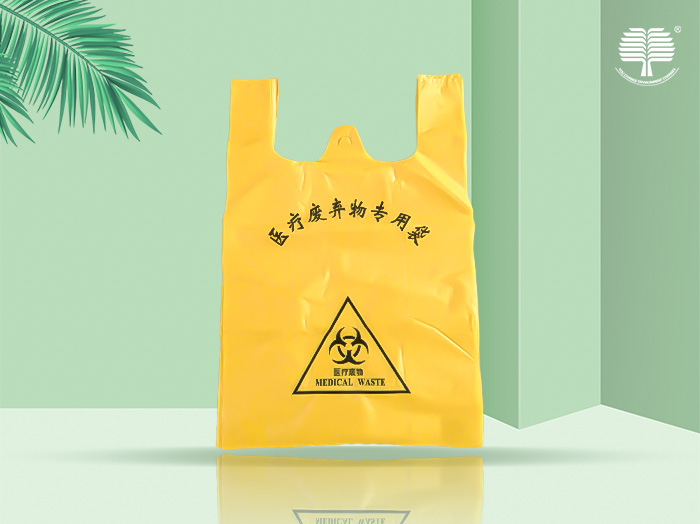 Special garbage bags for medical waste
 Drawstring garbage bag
 QR code indicates that the garbage bags are available at a 20% discount.
 EU standard garbage bags
 EU standard biodegradable garbage bags
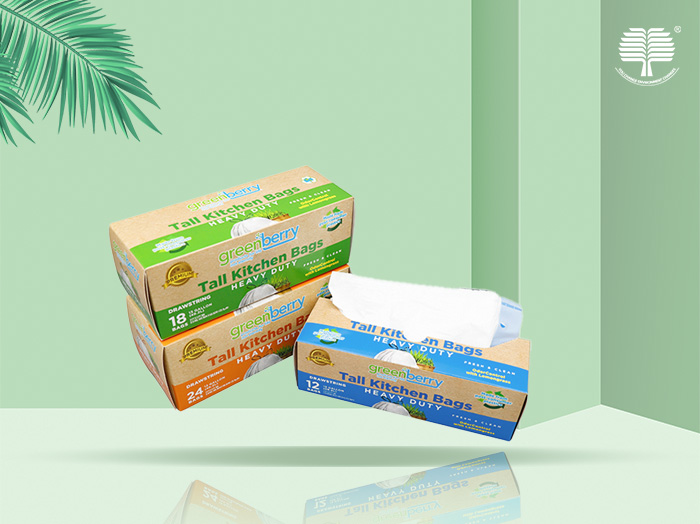 Biodegradable garbage bags
 drawstring garbage bag
 Spot and break type garbage bag
 roll vest bag
 Biodegradable rolling bag
 aircraft hole bag
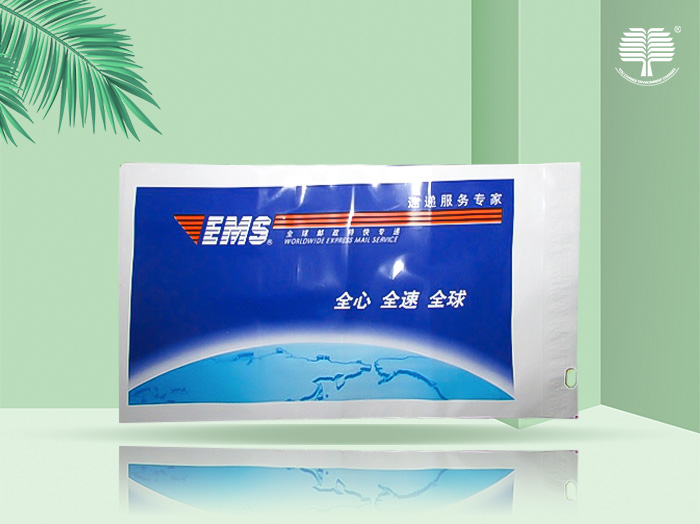 courier bags
 handbag
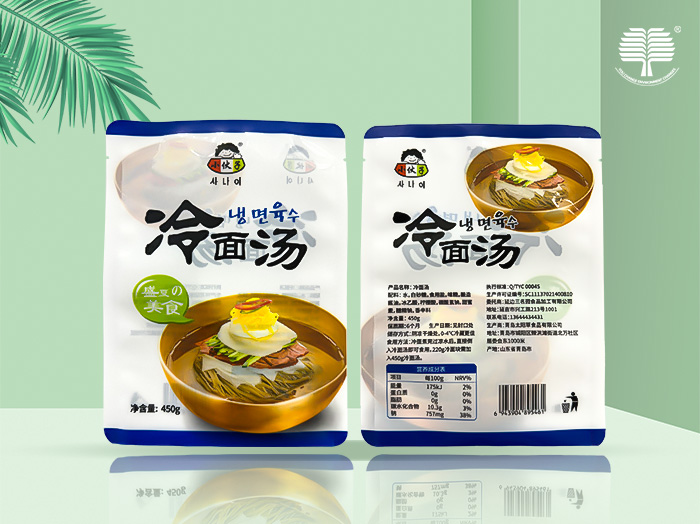 Composite food bag
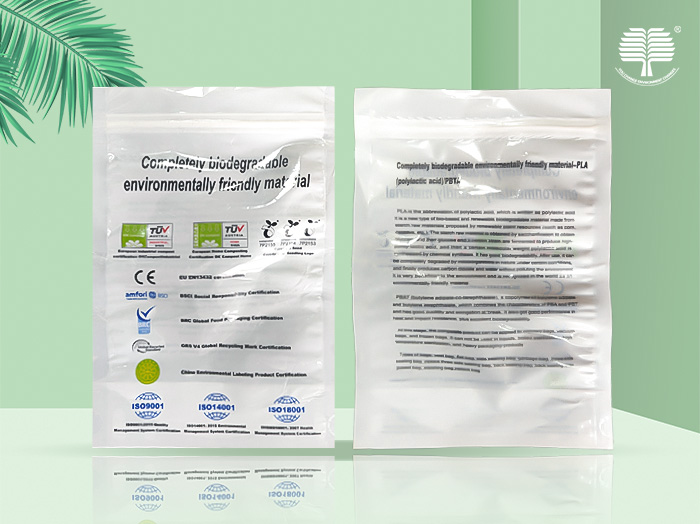 Composite packaging bag with opening and closing strips
 flat pocket
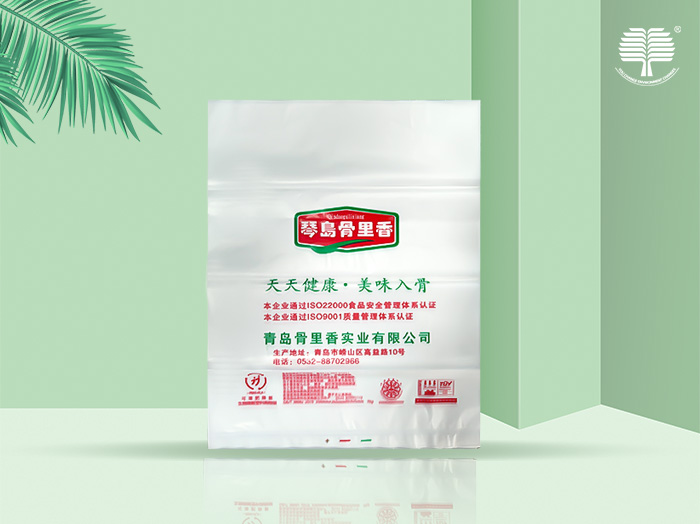 Fully biodegradable food bag
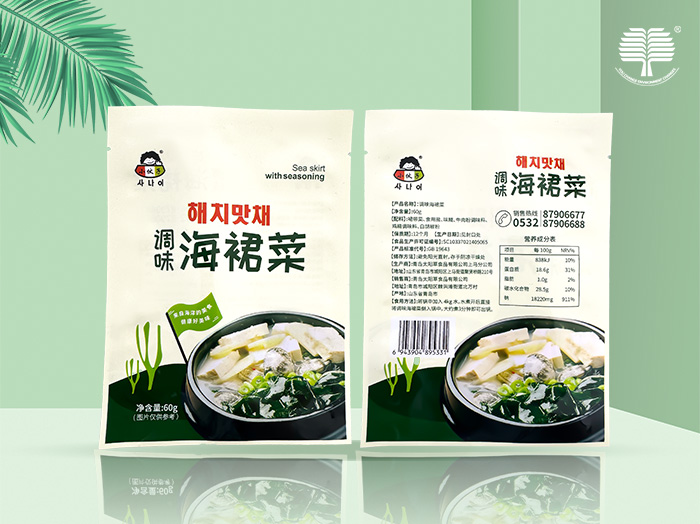 food packaging bags
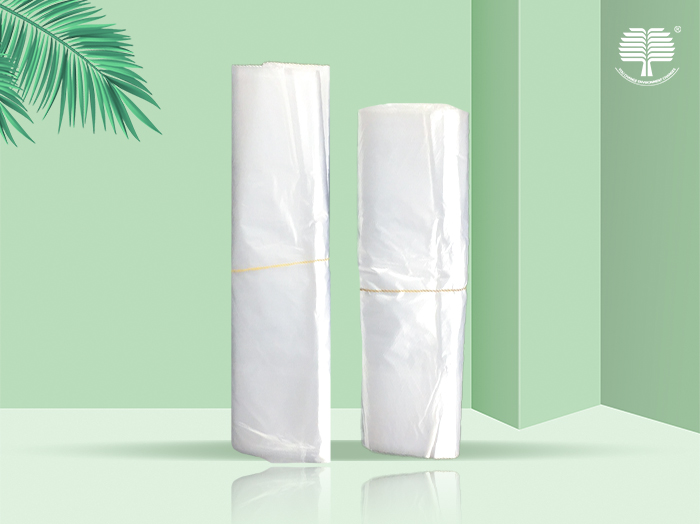 Food inner packaging bag
 Food handbag
 Food outer packaging bag
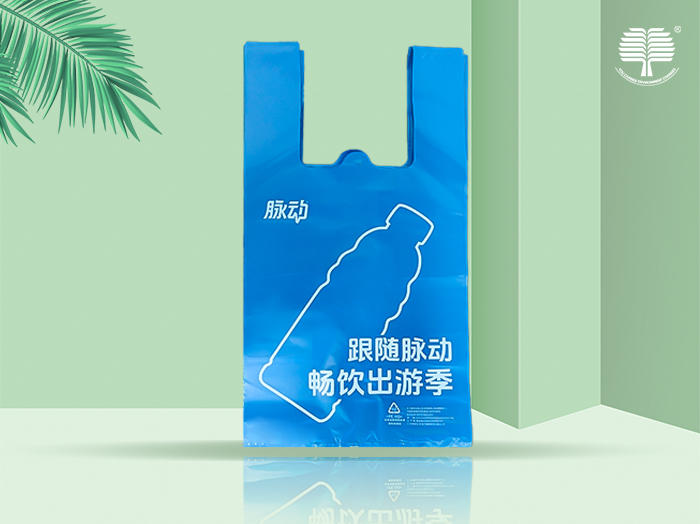 Photodegradable shopping bag
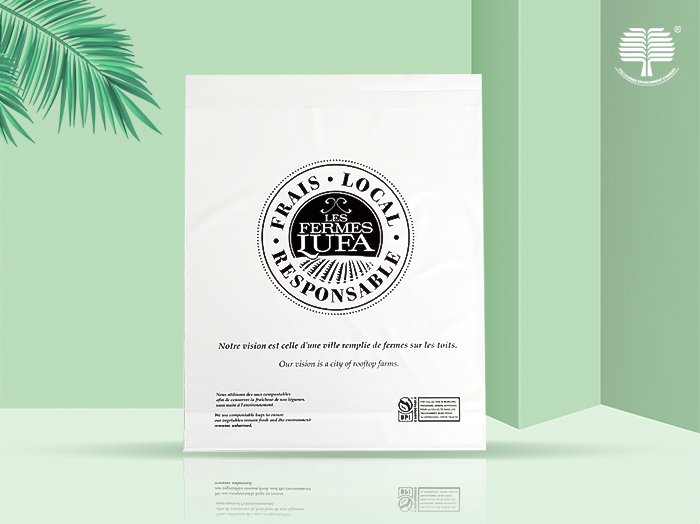 Biodegradable packaging bag
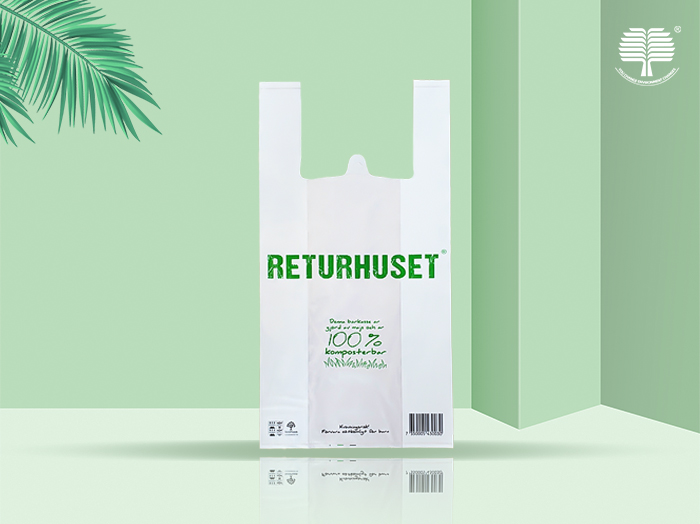 Fully biodegradable handbag
 Degradable rolling vest bag
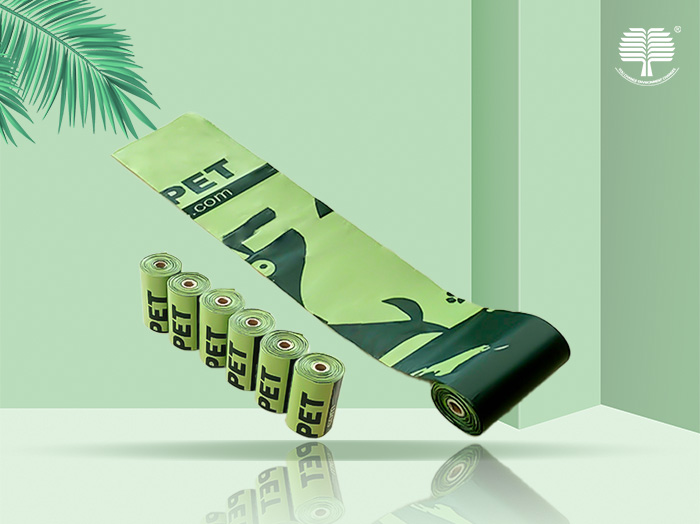 Degradable pet toilet bag
 Degradable clothing bag
 fully degradable bubble film
 Degradable shockproof bag
 Antibacterial deodorization packaging bag
 Antibacterial and deodorization garbage bag
 GRS recyclable bags
 Garment bag
 Degradable lunch box
 Degradable knives and forks
 Biodegradable straw
 CONTACT
 ABOUT
ABOUT
 Industry Trends
 position:
Will biodegradable bags produce wastewater and waste gas during the production process?
As an environmentally friendly alternative to traditional plastics, whether biodegradable bags will produce wastewater and waste gas during their production process has always been the focus of the industry. In fact, the production of biodegradable bags is accompanied by a certain amount of wastewater and waste gas emissions, but the pollution intensity is significantly lower than that of traditional plastic bags, and discharge standards can be achieved through scientific control, and its environmental protection advantages are still outstanding.
From the perspective of production processes, wastewater generation is mainly concentrated in raw material pretreatment and equipment cleaning. Most of the core raw materials of biodegradable bags are polylactic acid (PLA), polybutylene adipate (PBAT) or starch-based composite materials. Some raw materials need to be dried and cleaned before modification processing. This process will produce a small amount of cleaning wastewater. This type of wastewater mainly contains dust attached to the surface of raw materials, a small amount of unreacted monomers and auxiliary residues. The concentration of pollutants is low. The COD (chemical oxygen demand) is usually 50-150mg/L, which is much lower than that of traditional plastics production. Industrial wastewater containing oil and heavy metals. In addition, when production equipment is cleaned regularly, a small amount of wastewater containing detergents will be generated. If it is discharged directly, it will cause slight pollution to the water body. However, after pretreatment in sedimentation tanks and treatment with biomembrane methods, the comprehensive sewage discharge standards can be met.
Exhaust emissions mainly come from raw material processing and thermoforming stages. During thermal processing such as extrusion and film blowing, biodegradable materials will produce a small amount of volatile organic compounds (VOCs) due to high temperatures. The main components include residual monomers in raw materials, volatile compounds from auxiliary agents and a small amount of thermal decomposition products. Unlike the large amount of toxic waste gases such as benzene series and halogenated hydrocarbons released in the production of traditional plastic bags, the concentration of VOCs generated by biodegradable bags is extremely low, and most of them are degradable low-carbon organic compounds with no strong toxicity. In addition, when some manufacturers use natural raw materials such as starch, a small amount of dust will be generated during the drying process. If not collected in time, local atmospheric particulate pollution may be caused. However, through the installation of production lines, green production technologies are also adopted, such as direct synthesis of biobased raw materials, low-temperature Forming processes, etc., to reduce the generation of pollutants from the source.
Compared with the large amount of highly toxic wastewater and waste gas emitted in the production of traditional plastic bags, the pollution emissions of biodegradable bags have the characteristics of "low concentration, easy to handle, and degradable". Under the comprehensive environmental protection measures, its wastewater and waste gas emissions can strictly comply with national environmental protection standards, and the environmental impact throughout its life cycle is much lower than that of traditional plastics. Therefore, biodegradable bags are not only an environmentally friendly choice in the end-use stage, but their production process also achieves environmental friendliness through technological upgrades, which is an important direction for plastic pollution control.
ADD:https://ceshi7.liganggang.com